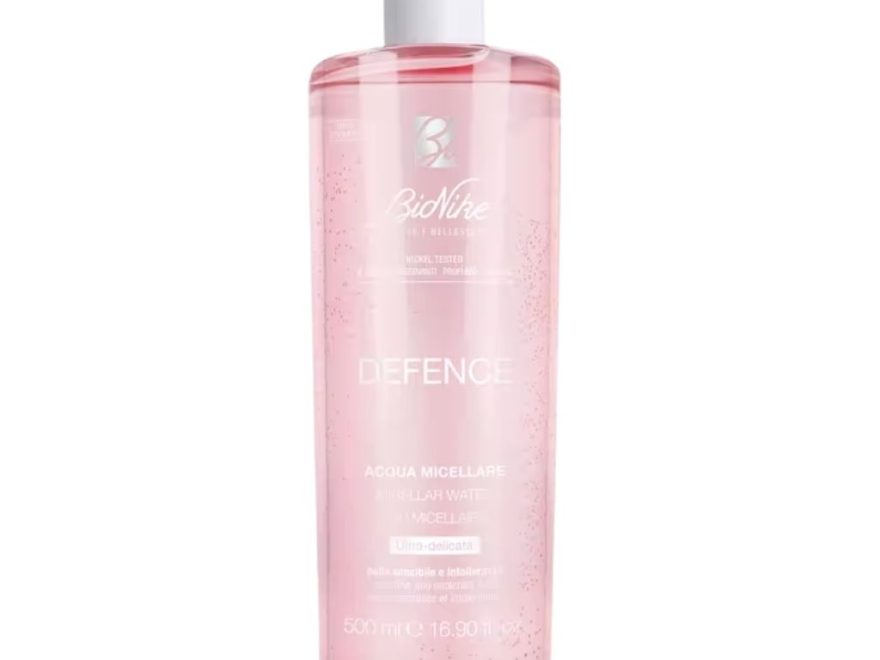
Splashing water on skin twice daily feels right, but that routine might be the real reason for sudden dryness or breakouts. Many routines follow old habits without question, leaving people stuck between too much cleaning and not enough. The correct use of a facewash depends on skin type, daily activities, and how the skin reacts after each wash.
Finding the balance:
Daily habits dictate skin health. Washing twice daily suits oily types perfectly. Morning cleanses remove sweat accumulated during rest, while evening sessions wipe away dirt from the day. Dry skin types benefit from rinsing with water at sunrise and using cleanser only before bed. This simple shift stops moisture loss.
Identifying skin needs:
Oily areas react differently than dry patches. Oily skin demands consistent cleansing to prevent clogged pores. Dry skin needs softer care. Sensitive skin flares up with too much washing. Listen to signs like tightness or flaking. Adjusting habits based on how skin reacts works best.
Seasonal adjustments:
Weather changes dictate care levels. Humidity increases oil production during summer months. Cooler, dry air zaps hydration during winter. Increase cleansing frequency when heat brings sweat. Reduce intensity when cold air causes parched textures. Flexibility keeps skin calm despite changing temperatures.
Avoiding over-washing:
Too much scrubbing ruins protective barriers. Constant washing strips natural lipids meant to shield pores. This leads to increased oil production as skin compensates for dryness. Stick to gentle motions. Soft touch prevents irritation while keeping the complexion clear and calm.
Selecting proper products:
Choosing mild formulas prevents stripping. Strong chemicals damage protective layers. Look for hydrating ingredients that cleanse without harshness. Simple formulas perform best for daily use. Avoid ingredients causing redness or stinging sensations. Quality beats quantity every time.
Listening to the skin:
Personal reaction remains the true test. Monitor how skin looks after cleansing. Tightness indicates dryness. Oiliness suggests a need for extra care. Adapting habits based on feedback from the face provides the best results. Skin health thrives when routines align with personal needs.
Active lifestyles need a shift
Exercise or outdoor work increases sweat and debris. Wash right after such activities, even if that means three times that day. Keep the cleanser mild and follow with a basic moisturizer to maintain balance.